Scroll down for ENGLISH.
4. septembra som mal to potešenie zúčastniť sa na súkromnej prehliadke múzea "Osturňanská Izba", ktoré založil súčasný starosta. Bola to moja prvá - a pravdepodobne aj posledná - návšteva. Štefánia bola špeciálne najatá na letné mesiace ako hosteska múzea. Múzeum však zostalo celé leto zatvorené, okrem tohto jedného dňa. Neviem, prečo múzeum neotvorili; nikdy som nedostal jasné vysvetlenie.
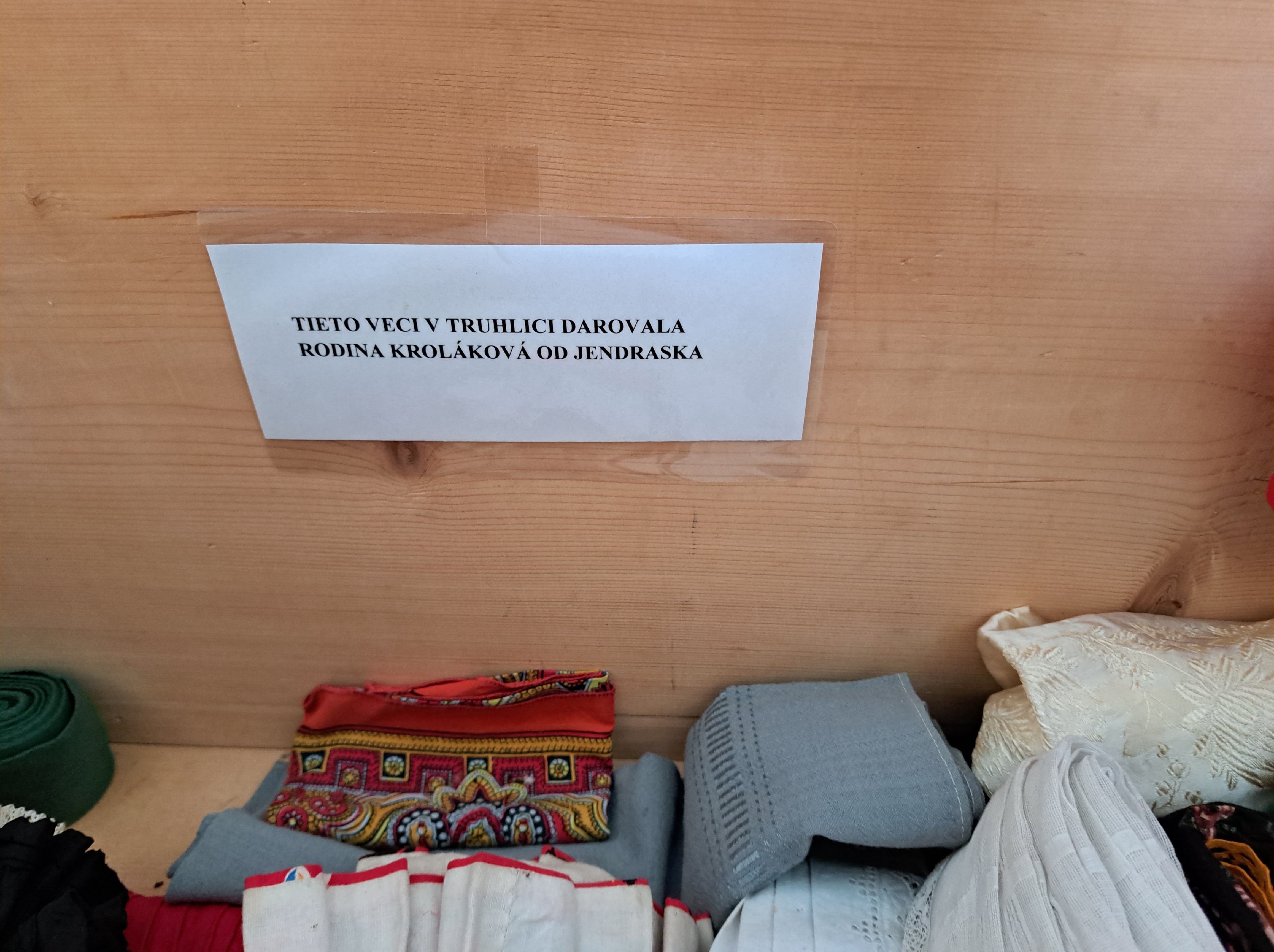
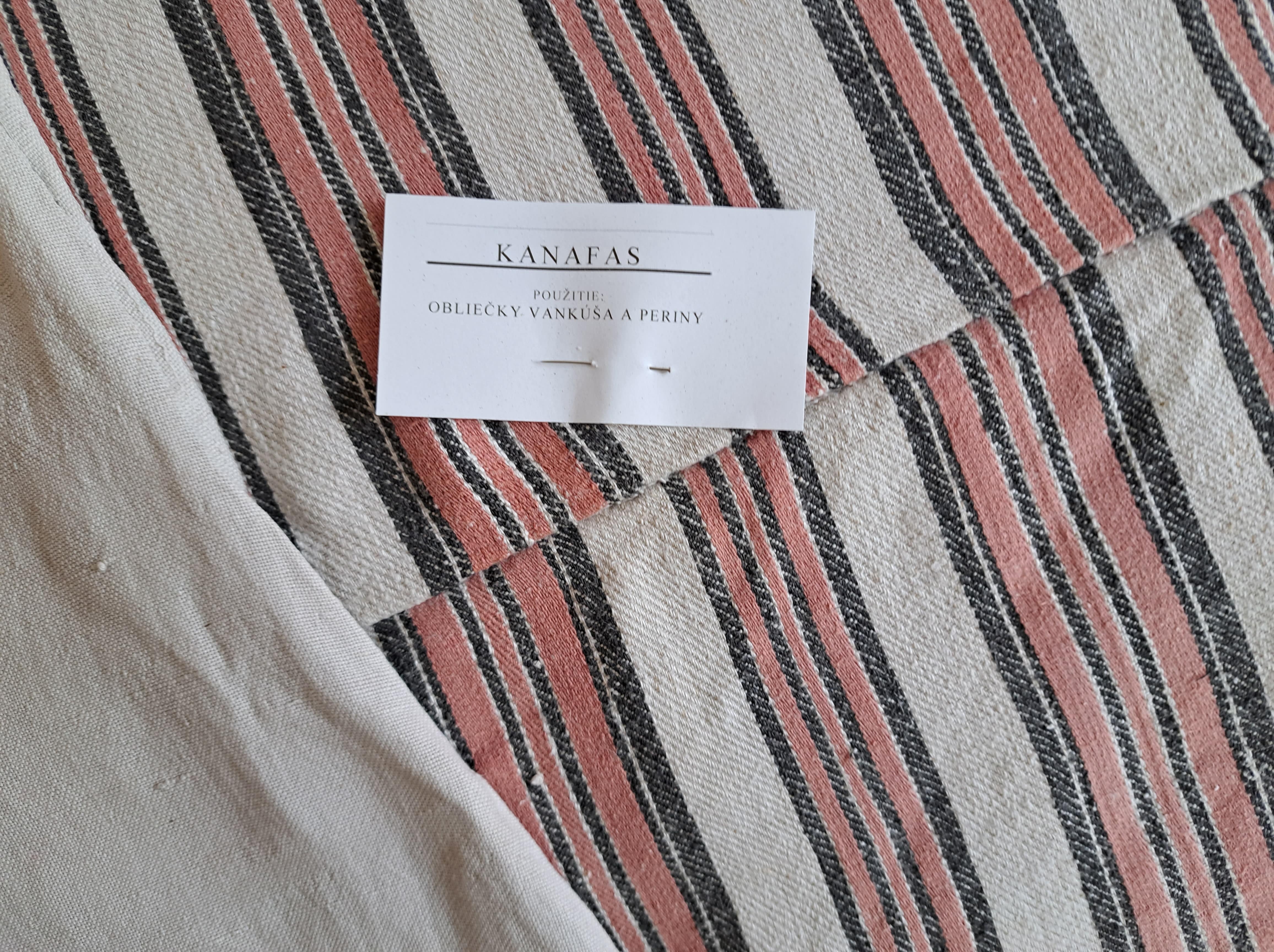
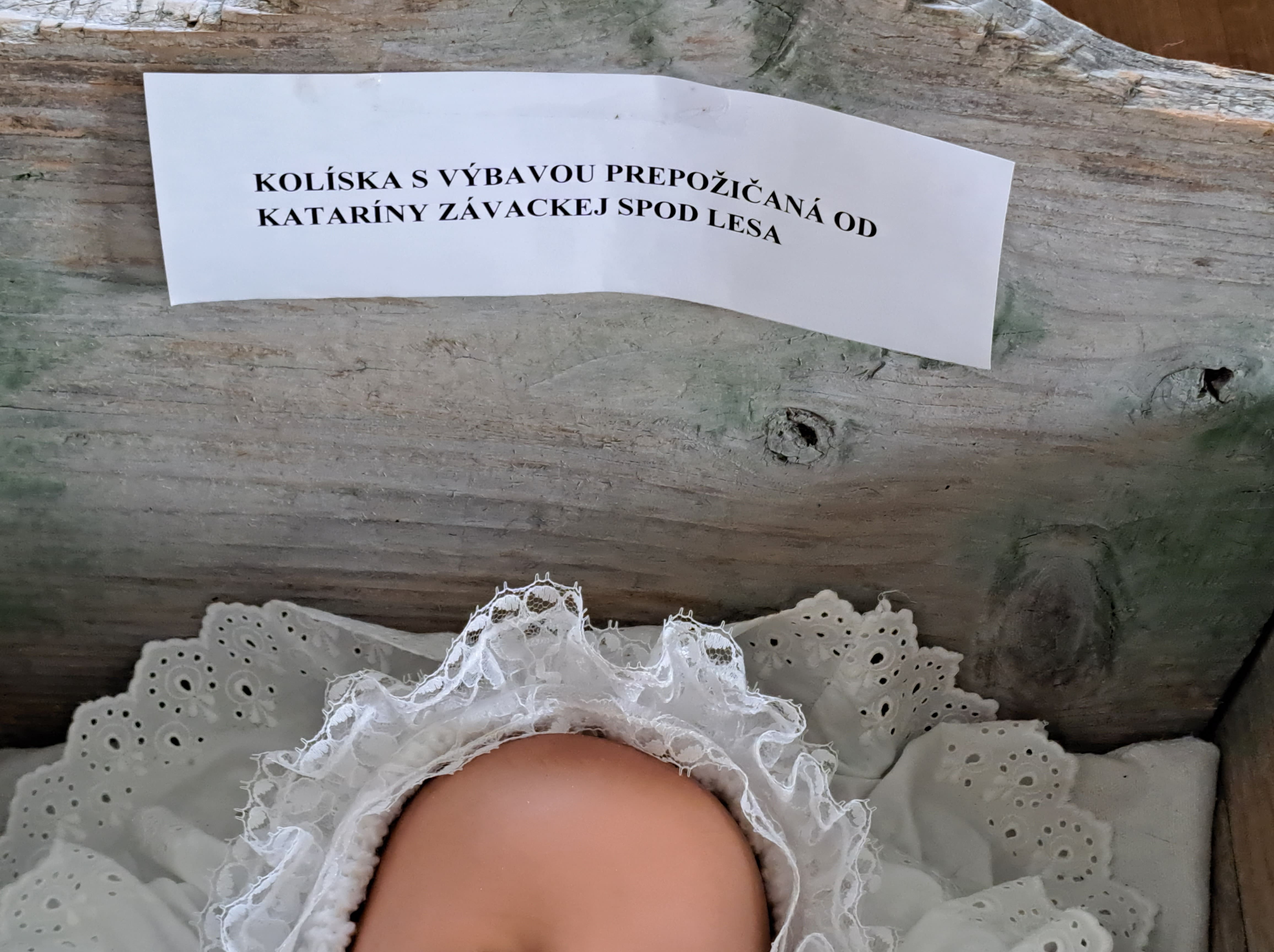
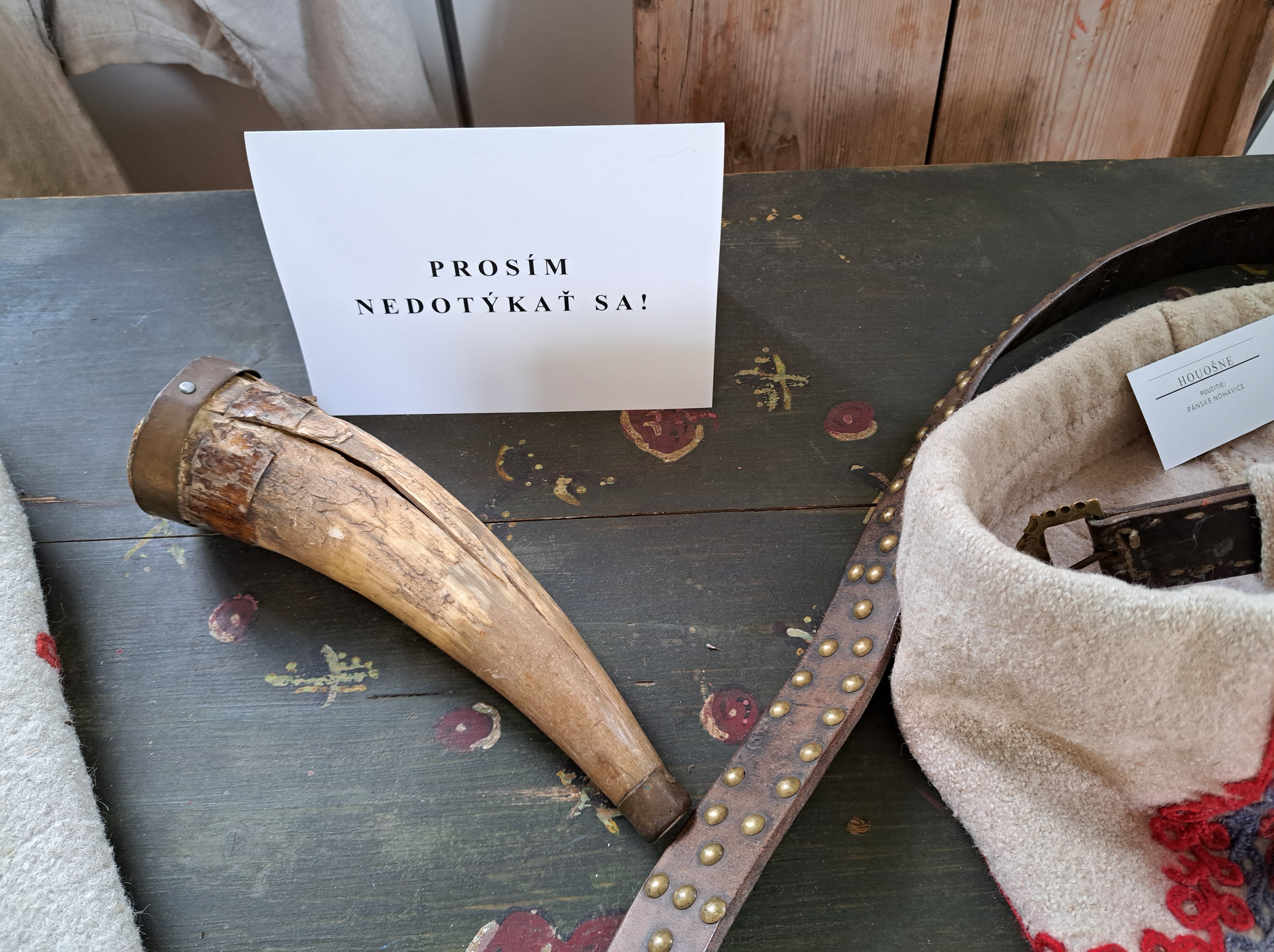
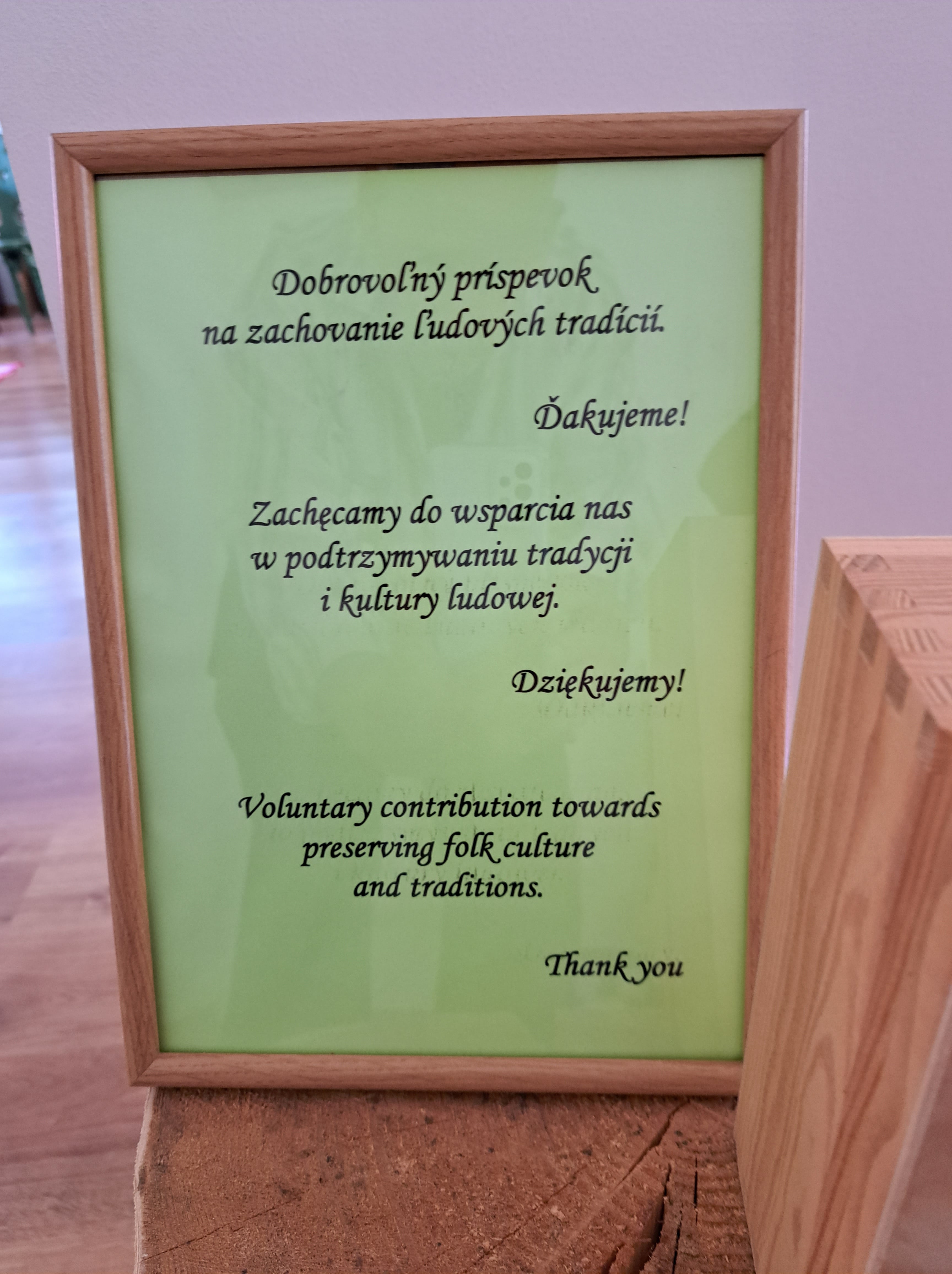
Múzeum bolo mierne zaujímavé, predstavovalo predmety zo "starého života". Všetky vystavené predmety boli starostlivo označené, ale napodiv len v slovenčine. Nápisy len v slovenčine by predpokladali, Predpokladala v múzeu len slovenských turistov. Tento predpoklad by však bol mylný. Pretože prvý nápis pri vstupe je v slovenčine, poľštine a angličtine. Nápis žiada o finančné dary... Takže je to tak.
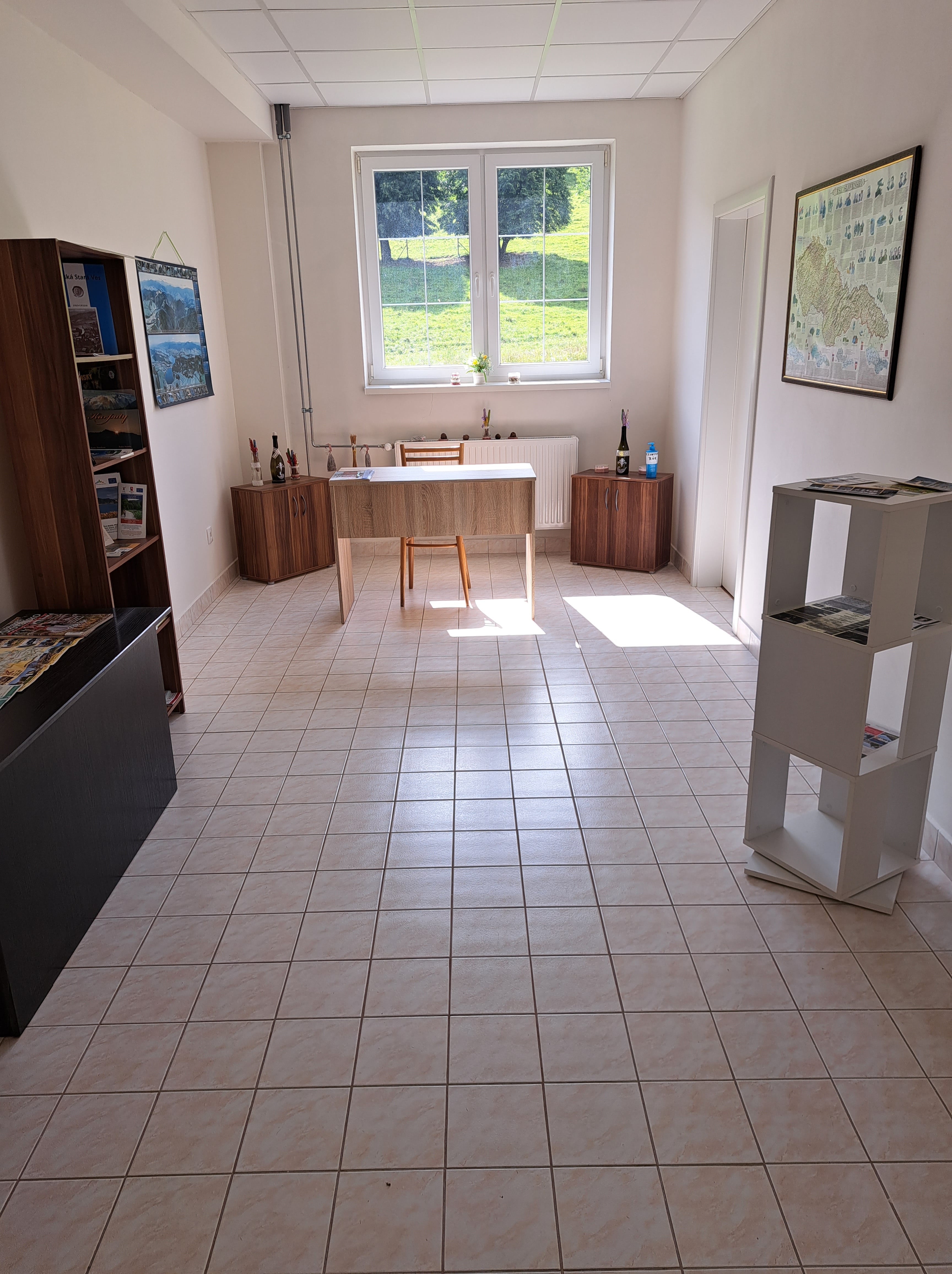
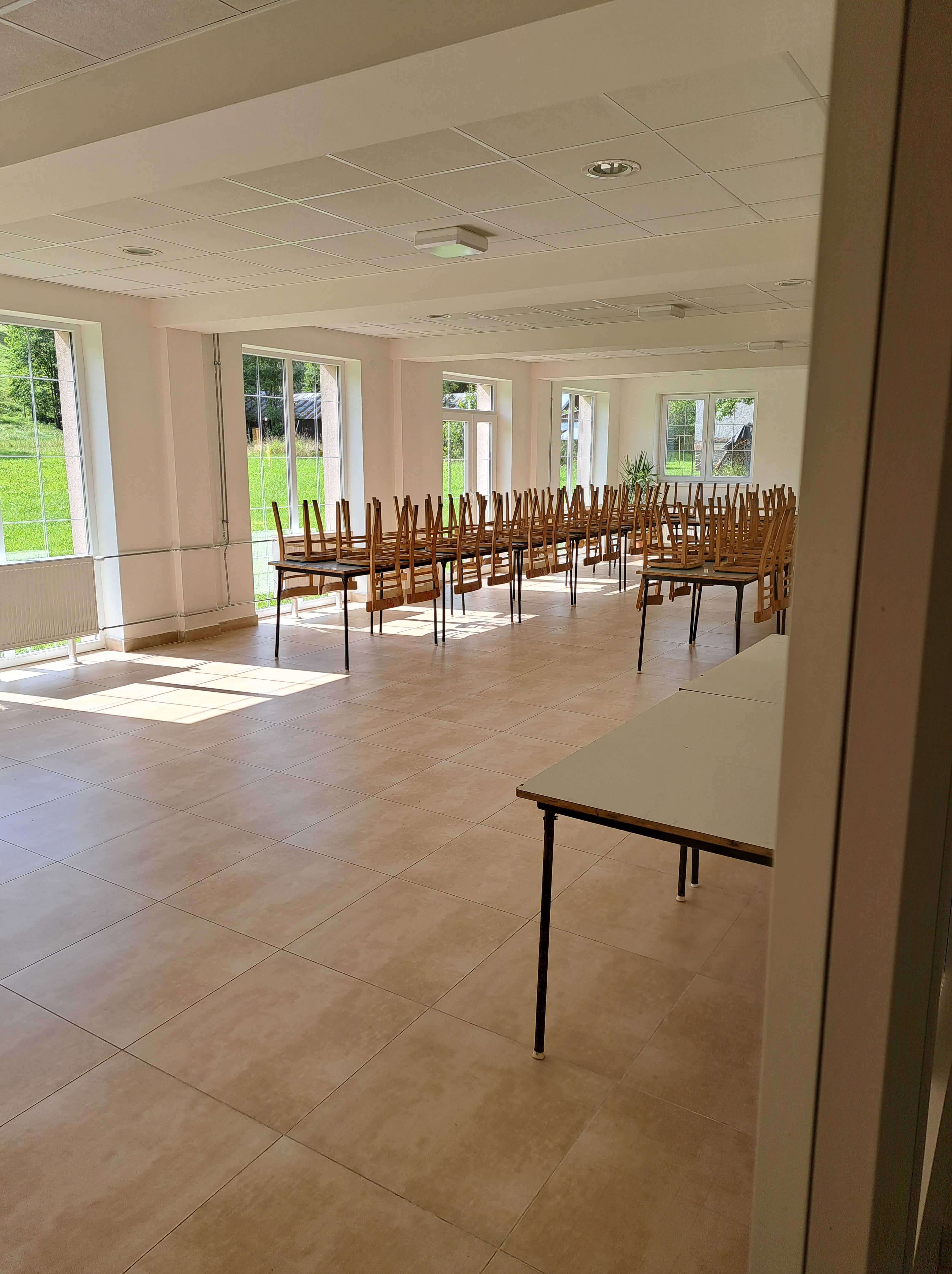
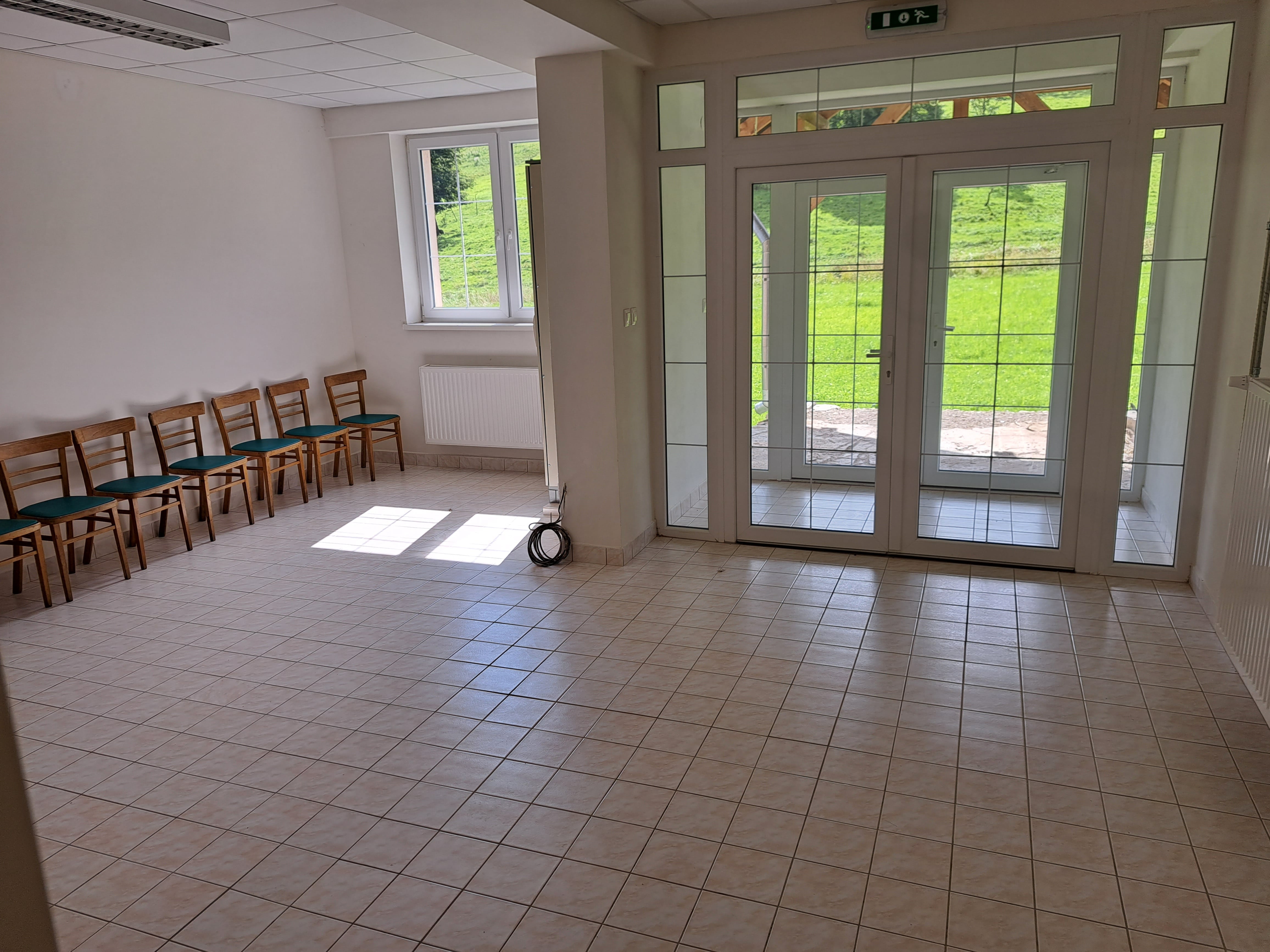
Oveľa zaujímavejší ako múzeum bol pre mňa veľký priestor, v ktorom sa múzeum nachádza. Aj keď asfalt pri vstupe do budovy je dosť nebezpečný, vyzerá to tak, že na rekonštrukcii prízemia sa nešetrilo. Urobil som niekoľko fotografií, hoci všetky miestnosti zostali zamknuté a nemohol som sa dostať dovnútra, aby som zdokumentoval nádheru.
Najviac ma trápilo, že všetky nevyužité miestnosti tam len tak stáli. Pripomenulo mi to, ako sme na Veľkú noc chceli využiť jednu miestnosť na to, aby sme ľudí naučili tradičné techniky farbenia veľkonočných vajíčok. Starostka vtedy vyžadovala poplatok 100 EUR a ktorý nezahŕňal teplo, čo sme odmietli. Spomienka na túto epizódu ma jednoducho nahnevala.
Podľa môjho názoru, s ktorým verím, že budete súhlasiť, tieto priestory a tieto budovy patria obyvateľom Osturne, nie Obecnému úradu a nie starostke. Tym, ze starostka bráni občanom Osturne v užívaní týchto objektov, prejavuje vysokú mieru chamtivosti a bezcitnosti voči nám, občanom.
I had the pleasure on September 4 to attend a private viewing of “Osturňansky Izba”, the museum established by the present mayor. It was my first – and probably last – visit. Štefania was specifically hired for the summer months as the hostess for the museum. But the museum remained shuttered for the entire summer, except for this one day. I don’t know why the museum did not open; I never received a clear explanation.
The museum was mildly interesting, featuring items from “starý život”. All the display items were carefully labeled, but strangely only in Slovak. Signs only in Slovak would assume that the mayor anticipated only Slovak tourists at the museum. But this assumption would be wrong. Because the first sign upon entry is in Slovak, Polish, and English. The sign requests financial donations… So there’s that.
What I found much more interesting than the museum was the large space in which the museum is situated. Although the asphalt at the entrance of the building is quite dangerous, it looks as though no expense was spared in the renovation of the ground floor. I took a few photos although the rooms remained locked, and I could not get inside to document the splendor.
What bothered me the most was that there were all the unused rooms just sitting there. It reminded me how, at Eastertime, we had wanted to use a room to teach people traditional Easter egg dyeing techniques. At that time, the mayor demanded a payment of 100 EUR and which did not include heat, an offer we declined. The reminder of that episode just made me angry.
In my opinion, and with which I believe you will agree, these rooms and these buildings belong to the people of Osturňa, not the Obecný Úrad and not the mayor. By withholding usage of these facilities from the people of Osturňa, the mayor demonstrates a high degree of greediness and callousness towards us, the citizenry.