V septembri 1999 som sa presťahoval do Košíc, aby som sa naučil po slovensky. Tam som zistil, že v Osturni mám stále príbuzných: sesternice a bratrancov z druhého kolena. Hoci som ovládal len základy slovnej zásoby a mal iba obmedzené znalosti gramatiky, začal som ich často navštevovať.
Katarína Vanečková, rodená Penxová, žila so svojím manželom Jánom a ich tromi synmi. Spolu s nimi býval aj jej brat Jozef. Katarína mala oči po mojej matke a povahu po mojej starej mame.
Keďže som si neuvedomoval, aký význam majú pre Slovákov Sviatok všetkých svätých 1. novembra a Pamiatka zosnulých (Dušičky) 2. novembra, vybral som si na ďalšiu návštevu práve tento víkend. V dedine bolo plno návštevníkov vrátane nemálo takých, ktorí prišli na Jork, ako sa volal gazdovský dvor rodiny Vanečkovcov.
Jedného večera Jozef navrhol, aby sme spolu zašli do krčmy v susednej obci Veľká Franková. Ešte než sme však dorazili na autobusovú zastávku, sledovali sme, ako autobus prešiel dedinou bez zastavenia a nechal nás tam. Jozef mal plán: pôjdeme pešo.
Na ten víkend si pamätám aj vďaka snehu na zemi. Keď sme kráčali smerom k susednej obci, stretli sme dvoch pohraničníkov oblečených v bielom. Ich uniformy boli navrhnuté tak, aby splývali so zasneženou krajinou. Cesta do miestnej krčmy, ktorú viedol pán Kaprál, nám trvala o niečo viac ako pol hodiny.
Krčma bola preplnená ľuďmi, väčšinou mužmi, ale Jozef nám rýchlo našiel miesto na sedenie. A nápoje začali tiecť prúdom. Ľudia sediaci neďaleko ma často zapájali do rozhovorov. Niekedy som dokázal odpovedať, inokedy som len pokrčil plecami. Nikto na mňa nenaliehal, aby som povedal viac, ani som sa necítil nepríjemne.
Zrazu Jozef vyskočil a oznámil, že musíme odísť: ide posledný autobus do Osturne. Vyšli sme von a autobus čoskoro zastavil pri nás. Na cestu do Osturne nastúpilo spolu s nami aj niekoľko ďalších ľudí. O pár minút sme dorazili k prvej autobusovej zastávke v dedine, kde sme zvyčajne vystupovali. Keď som však chcel vystúpiť, Jozef mi povedal, aby som zostal v autobuse. Nerozumel som a pokúsil som sa ho opýtať prečo, ale moja slovenčina ma zradila. Nezostávalo mi nič iné, len nasledovať jeho príklad. Napokon sme vystúpili z autobusu neďaleko krčmy. Takže toto bol Jozefov plán.
Táto krčma bola rovnako preplnená ako tá predchádzajúca. Ako sme pokračovali v pití, uvedomil som si, že keby moji starí rodičia neodišli z dediny, možno práve takto by vyzeral môj spoločenský život. Pripíjali sme si znova a znova. Ako večer pokračoval, začal som byť unavený a chcel som ísť domov.
„Ešte päť minút,“ uisťoval ma Jozef. O päť minút odídeme. Asi po desiatich minútach som mu znova povedal, že chcem ísť domov. Opäť ma uistil, že odídeme o „ďalších päť minút“.
Napokon mi došla trpezlivosť, vypil som toho priveľa a chcel som už len ísť spať. Rozlúčil som sa s Jozefom a vykročil k odchodu.
„Ešte päť minút,“ uistil ma Jozef ešte raz, naposledy.
Vedel som, že blafuje. Keby som poslúchol Jozefa, nikdy by som sa domov nedostal. Vyšiel som z krčmy a vydal sa na dlhú cestu domov.
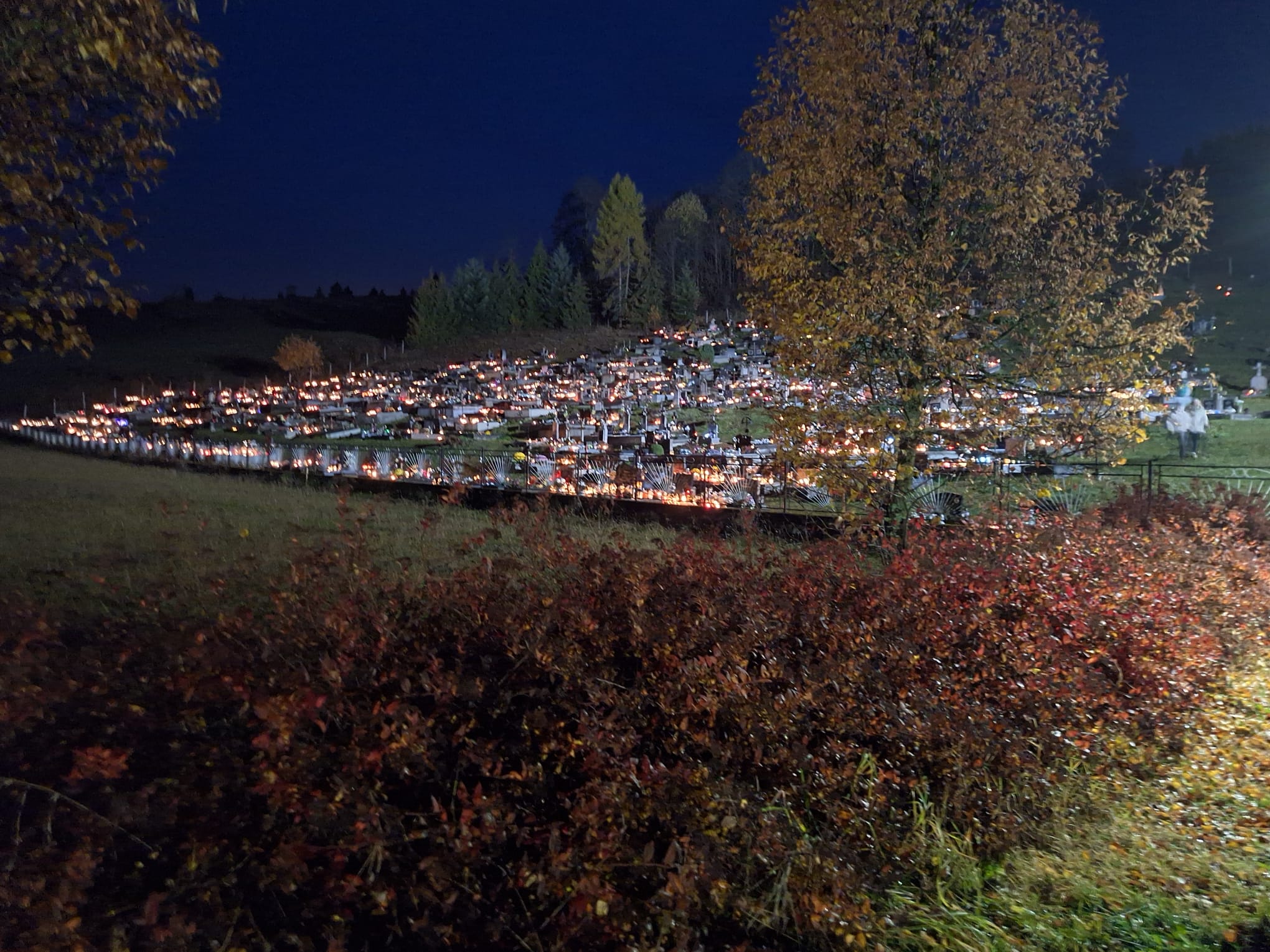
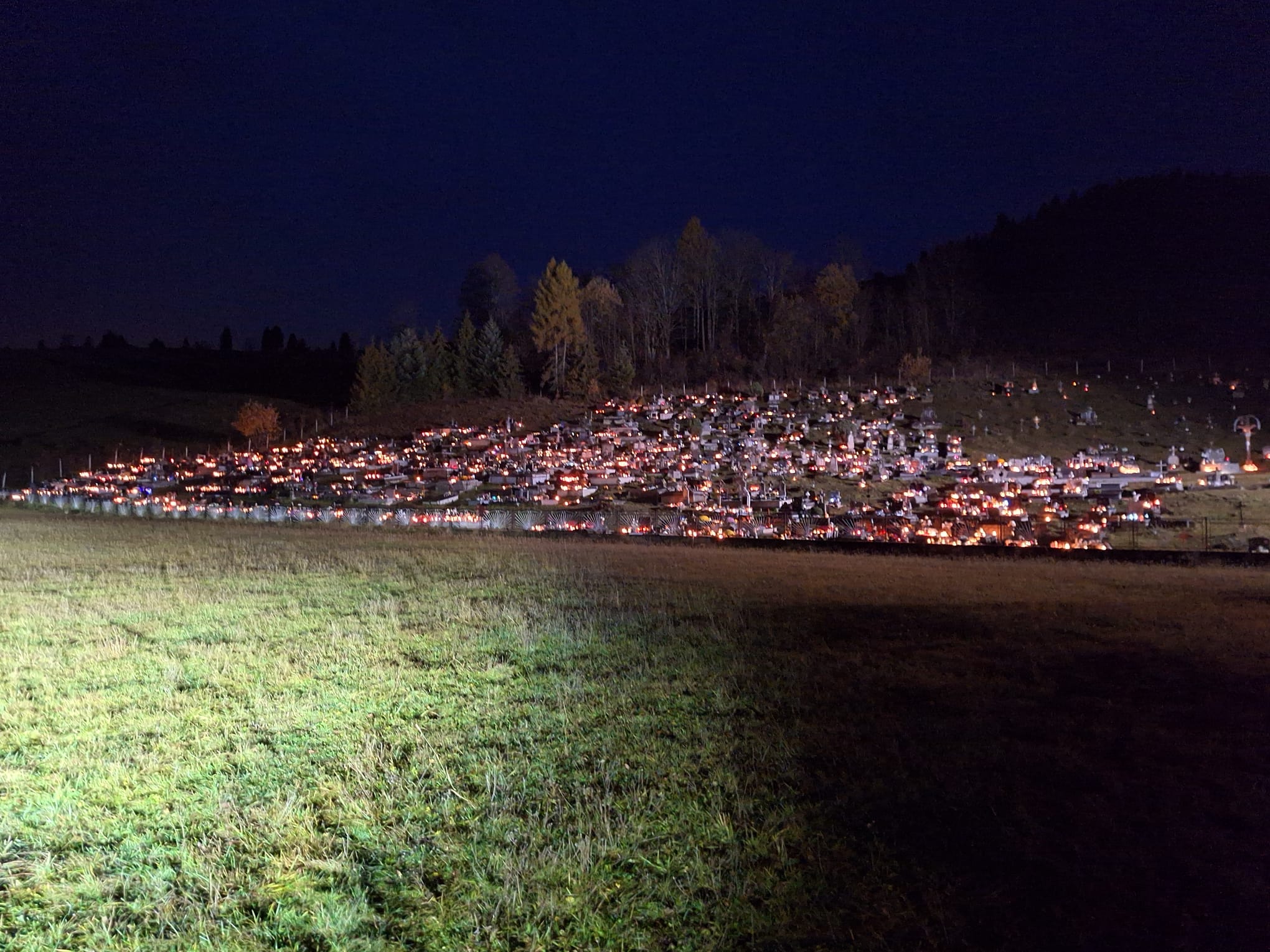
Bola bezmesačná noc. Ako som sa neisto uberal na východ, zazrel som na severe svetlá. Čím ďalej som kráčal, tým boli svetlá jasnejšie a hustejšie. Bol som úplne zmätený a dezorientovaný. „Aké mesto je tam v diaľke?“ premýšľal som. Keď som sa však priblížil, uvedomil som si, že to vôbec nie je mesto. Bol to cintorín rozžiarený stovkami, možno tisíckami sviečok. Okamžite som v tom spoznal krásnu slovanskú tradíciu spomínania na zosnulých, s ktorou som sa už predtým stretol na cintoríne svätej Hedvigy v Detroite, kde sú pochovaní členovia mojej rodiny.
Keď som konečne prišiel domov, Katarína mi múdro ponúkla niečo pod zub, aby som vytriezvel. Jej syn Peter ma, na moje veľké rozpaky, upozornil, že som opitý. Vysvetlil som, že som sa stále pokúšal dostať domov, ale Jozef ma zakaždým presviedčal, že ešte „päť minút“. S plným bruchom som sa presunul do obývačky a čoskoro som tvrdo zaspal.
Ráno Jozef nakukol do izby, aby sa na mňa pozrel. Bohvie, kde tú noc spal, ale teraz už bol doma. Ešte sa mi nechcelo vstávať, a tak som zostal v posteli.
Keď sa moja stará mama veľmi nahnevala, používala zvláštny tón hlasu, pri ktorom mal človek chuť odísť z domu. Bol to dotieravý, dráždivý a hrozivý hlas. Teraz som ten istý hlas počul znova – nie od svojej zosnulej starej mamy, ale od sesternice Kataríny v kuchyni. Karhala svojho brata za to, že ma tam nechal samého.
„Ešte päť minút, ešte päť minút!“ sťažovala sa.
Musel som Jozefa zachrániť, a tak som vyskočil z postele a napochodoval do kuchyne. Jemne som Katarínu objal odzadu a svojou lámanou slovenčinou ju uistil, že teraz je už všetko v poriadku.
„Môže byť,“ povedala.
Presne o dvadsaťsedem rokov neskôr cintorín stále vyzerá ako mesto na kopci, mesto mŕtvych. Jozef aj Katarína sa medzitým pripojili k ostatným obyvateľom toho kopca. Kiežby som s nimi mohol stráviť ešte aspoň päť minút.
Mesto mŕtvych
City of the Dead
1. november 2026 · Upravené 3. november 2026, 18:36
November 1, 2026 · Revised November 3, 2026 at 18:36
Zrazu Jozef vyskočil a oznámil, že musíme odísť: prichádzal posledný autobus do Osturne.
Suddenly, Jozef jumped up and announced that we had to leave: the last bus to Osturňa was coming.
City of the Dead
Mesto mŕtvych
In September of 1999, I moved to Košice to learn Slovak. Once there, I discovered that I still had relatives in Osturňa: second cousins. Despite having only a rudimentary vocabulary and limited grasp of grammar, I began to visit them often.
Katarína Vanečková, née Penxová, lived with her husband, Ján, and their three sons. Her brother, Jozef, also lived with them. Katarína shared my mother’s eyes and my grandmother’s disposition.
Unaware of the importance to Slovaks of All Saints' Day on November 1 and All Souls' Day (Dušičky) on November 2, I chose that weekend for another visit. The village was crowded with visitors, including quite a few who came to Jork, the name of the Vanečko homestead.
One evening, Jozef decided we should go together to the krčma in the neighboring village of Veľká Franková. But before we reached the bus stop, we watched as the bus passed through the village without stopping, leaving us behind. Jozef had a plan: we would walk.
I remember the snow on the ground that weekend because, as we headed toward the other village, we encountered two border guards dressed in white, their uniforms designed to blend into the snowy landscape. The walk to the local krčma, run by Pán Kaprál, took a little more than half an hour.
The krčma was packed with people, mostly men, but Jozef quickly found us a place to sit. And the drinks began to flow. I was frequently drawn into conversations with people sitting nearby. Sometimes, I could respond; at other times, I just shrugged my shoulders. No one pressed me to say more or made me feel uncomfortable.
Suddenly, Jozef jumped up and announced that we had to leave: the last bus to Osturňa was coming. We stepped outside, and the bus soon pulled up. Several other people joined us for the ride to Osturňa. Within minutes, we reached the first bus stop in the village, where we normally got off. But when I tried to leave the bus, Jozef told me to stay. I didn't understand and tried to ask him why, but my Slovak failed me. I had no choice but to follow his lead. We finally got off the bus near the krčma. So, that was Jozef's plan.
I knew he was bluffing. If I listened to Jozef, I would never get home. I left the krčma and began the long walk home.
It was a moonless night. As I fumbled eastward, I caught a glimpse of lights to the north. The farther I walked, the brighter and denser the lights became. I was completely confused and disoriented. “What town is this in the distance?” I wondered. But as I approached, I realized it wasn't a town at all. It was the cemetery, aglow with hundreds, perhaps thousands, of candles. I immediately recognized the beautiful Slavic tradition of remembering the dead, having experienced it before at St. Hedwig’s Cemetery in Detroit, where my family is buried.
Once I arrived home, Katarína wisely offered me some food to sober up. Her son, Peter, pointed out, much to my embarrassment, that I was drunk. I explained that I kept trying to come home, but that Jozef kept insisting on “five more minutes.” With my belly full, I moved to the living room and was soon fast asleep.
In the morning, Jozef popped his head into the room to check on me. God knows where he had slept that night, but now he was home. I wasn't ready to get up, so I stayed in bed.
"Môže byť," she said.
Twenty-seven years later to the day, the cemetery still looks like a city on a hill, a city of the dead. Both Jozef and Katarína have since joined the other dwellers on that hill. I wish I had just five more minutes with them.
Katarína Vanečková, née Penxová, lived with her husband, Ján, and their three sons. Her brother, Jozef, also lived with them. Katarína shared my mother’s eyes and my grandmother’s disposition.
Unaware of the importance to Slovaks of All Saints' Day on November 1 and All Souls' Day (Dušičky) on November 2, I chose that weekend for another visit. The village was crowded with visitors, including quite a few who came to Jork, the name of the Vanečko homestead.
One evening, Jozef decided we should go together to the krčma in the neighboring village of Veľká Franková. But before we reached the bus stop, we watched as the bus passed through the village without stopping, leaving us behind. Jozef had a plan: we would walk.
I remember the snow on the ground that weekend because, as we headed toward the other village, we encountered two border guards dressed in white, their uniforms designed to blend into the snowy landscape. The walk to the local krčma, run by Pán Kaprál, took a little more than half an hour.
The krčma was packed with people, mostly men, but Jozef quickly found us a place to sit. And the drinks began to flow. I was frequently drawn into conversations with people sitting nearby. Sometimes, I could respond; at other times, I just shrugged my shoulders. No one pressed me to say more or made me feel uncomfortable.
Suddenly, Jozef jumped up and announced that we had to leave: the last bus to Osturňa was coming. We stepped outside, and the bus soon pulled up. Several other people joined us for the ride to Osturňa. Within minutes, we reached the first bus stop in the village, where we normally got off. But when I tried to leave the bus, Jozef told me to stay. I didn't understand and tried to ask him why, but my Slovak failed me. I had no choice but to follow his lead. We finally got off the bus near the krčma. So, that was Jozef's plan.
This krčma was just as crowded as the last. As we continued drinking, I realized that, had my grandparents not left the village, this might have been my social life. We toasted again and again. As the evening wore on, I grew tired and wanted to go home.
"Five more minutes," Jozef assured me. We would leave in five minutes. After perhaps ten minutes, I told him again that I wanted to go home. Once more, he assured me we would leave in "five more minutes."
Eventually, my patience ran out. I had drunk too much and just wanted to go to bed. I said goodbye to Jozef and turned to leave.
"Five more minutes," Jozef assured me one last time.
It was a moonless night. As I fumbled eastward, I caught a glimpse of lights to the north. The farther I walked, the brighter and denser the lights became. I was completely confused and disoriented. “What town is this in the distance?” I wondered. But as I approached, I realized it wasn't a town at all. It was the cemetery, aglow with hundreds, perhaps thousands, of candles. I immediately recognized the beautiful Slavic tradition of remembering the dead, having experienced it before at St. Hedwig’s Cemetery in Detroit, where my family is buried.
Once I arrived home, Katarína wisely offered me some food to sober up. Her son, Peter, pointed out, much to my embarrassment, that I was drunk. I explained that I kept trying to come home, but that Jozef kept insisting on “five more minutes.” With my belly full, I moved to the living room and was soon fast asleep.
In the morning, Jozef popped his head into the room to check on me. God knows where he had slept that night, but now he was home. I wasn't ready to get up, so I stayed in bed.
When my grandmother was very angry, she would use a particular tone of voice that made you want to leave the house. It was a nagging, grating, menacing voice. Now I was hearing that same voice, not from my late grandmother, but from my cousin Katarína in the kitchen. She was scolding her brother for leaving me alone.
"Five more minutes, five more minutes!" she complained.
I had to save Jozef, so I jumped out of bed and marched into the kitchen. I gently hugged Katarína from behind and, in my broken Slovak, assured her that everything was now fine.
Twenty-seven years later to the day, the cemetery still looks like a city on a hill, a city of the dead. Both Jozef and Katarína have since joined the other dwellers on that hill. I wish I had just five more minutes with them.
another view
Comments Komentáre